CinnoRA Injection (Adalimumab) 40mg/0.8ml In Pakistan.Available In Lahore, Karachi, Islamabad, Bahawalpur, Peshawar, Multan, Gujranwala, Rawalpindi, Hyderabad, Faisalabad, Larkana,Sukkur,Sialkot And All Other Major Cities Of Pakistan
| Product ID: | onlinetrade_202281 | |||
| Brand: | CinnoRA Injection (Adalimumab) 40mg/0.8ml | |||
| Shipping: | Rs. 500 (All Over Pakistan) | |||
| Contact Us | 03000950301 | |||
CinnoRA Injection (Adalimumab) 40 mg/0.8 mL In Pakistan
CinnoRA® 40 mg/0.8 mL is a prescription biologic medicine containing adalimumab, a tumor necrosis factor-alpha (TNF-α) inhibitor. It is given by subcutaneous injection and is used for several autoimmune and inflammatory diseases. CinnoRA 40 mg/0.8 mL is documented as an adalimumab product in Pakistan, and a Pakistan public-sector tender lists CinnoRA under adalimumab 40 mg/0.8 mL.
Important: This is a general medicine guide, not a substitute for your rheumatologist, gastroenterologist, dermatologist, or other prescribing doctor. Adalimumab suppresses part of the immune system and can cause serious infections, including tuberculosis.
1. What is CinnoRA?
Generic name: Adalimumab
Brand: CinnoRA®
Strength: 40 mg/0.8 mL
Route: Subcutaneous (under the skin)
Drug class: TNF-α inhibitor / biologic immunosuppressant
CinnoRA works by binding to TNF-α, an inflammatory protein involved in autoimmune diseases. Blocking TNF-α can reduce inflammation, pain, swelling and tissue damage.
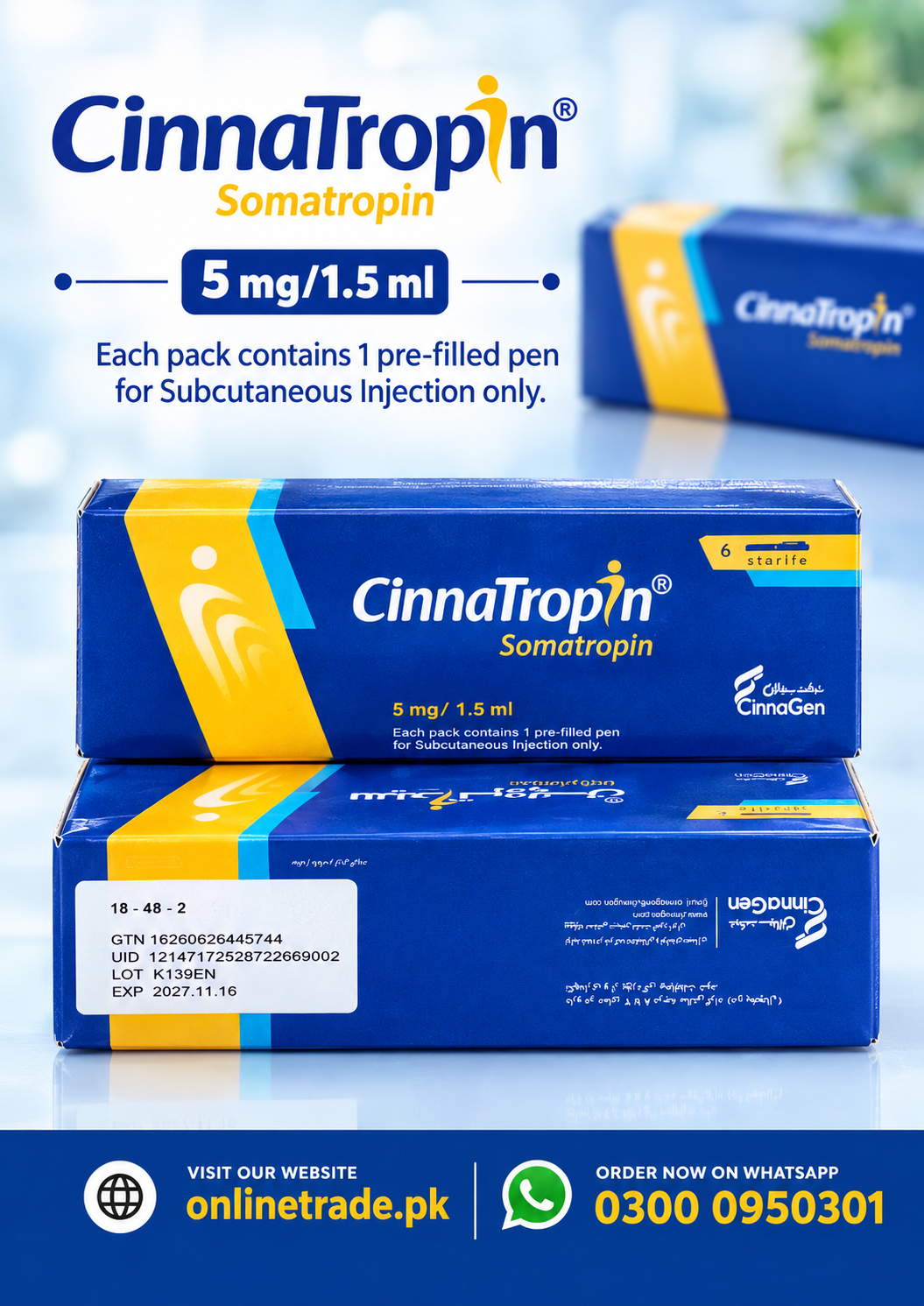
CinnoRA is manufactured by CinnaGen, Iran; the Pakistani product information identifies Gene-Tech Laboratories, Karachi as importer and CCL Pharmaceuticals (Pvt.) Ltd. as distributor/marketer.
2. What diseases is it used for?
Depending on the patient's age and the locally approved indication, adalimumab may be prescribed for:
- Rheumatoid arthritis (RA)
- Psoriatic arthritis
- Ankylosing spondylitis / axial spondyloarthritis
- Plaque psoriasis
- Crohn's disease
- Ulcerative colitis
- Hidradenitis suppurativa
- Juvenile idiopathic arthritis
- Non-infectious uveitis
The current U.S. adalimumab labeling includes these major indications, while product-specific approvals can vary by country and formulation.
3. How does it work?
In conditions such as rheumatoid arthritis and inflammatory bowel disease, excessive inflammatory signaling can involve TNF-α.
CinnoRA → blocks TNF-α → reduces inflammatory signaling → reduces inflammation and disease activity.
It does not work like a normal painkiller. It is intended to control the underlying inflammatory disease rather than simply provide temporary pain relief.
4. Usual dose
The dose depends on the disease.
For many adult inflammatory conditions such as rheumatoid arthritis, psoriatic arthritis and ankylosing spondylitis, the commonly used regimen is:
40 mg subcutaneously every other week.
However, Crohn's disease, ulcerative colitis, psoriasis, hidradenitis suppurativa and some pediatric conditions can require different loading and maintenance schedules. Therefore, the patient's diagnosis must be known before giving a dosing schedule.
Do not change the interval yourself
Do not take CinnoRA every week, every few days, or stop it suddenly unless your treating doctor specifically instructs you to do so.
5. How is it administered?
CinnoRA is administered under the skin, not into a vein or muscle.
Common injection areas include:
- Abdomen
- Front/outer thigh
- Another site recommended by the healthcare professional
Injection sites should be rotated rather than repeatedly using exactly the same location.
The product is available in prefilled syringe/autoinjector presentations depending on the market.
6. Before starting CinnoRA — very important
A doctor should evaluate the patient for infections and other risks before treatment.
Tuberculosis screening
This is particularly important.
Adalimumab can reactivate latent tuberculosis (TB) and can cause serious active TB. Patients should be evaluated for latent TB before treatment, and positive latent TB generally needs appropriate treatment before starting adalimumab. Patients also require monitoring for TB during treatment.
Other important assessments
Depending on the patient, the doctor may check:
- Previous or current infections
- Hepatitis B status
- Complete blood count
- Liver function
- History of recurrent infections
- Previous cancer
- Neurological disease
- Heart failure
- Vaccination status
Hepatitis B can reactivate during TNF-inhibitor treatment, so people with current or previous HBV infection need appropriate assessment and monitoring.
7. Who should NOT start it without medical assessment?
Tell the doctor if you have:
- Active infection
- Tuberculosis or previous TB
- Hepatitis B
- Recurrent infections
- Serious fungal infection
- Cancer or previous cancer
- Multiple sclerosis or another demyelinating disorder
- Heart failure
- Blood disorders
- Allergy to adalimumab or components of the injection
CinnoRA should not normally be started during a serious active infection.
8. Most important side effects
Common or relatively frequent effects can include:
- Injection-site redness
- Pain or swelling at the injection site
- Headache
- Upper respiratory infections
- Sinus symptoms
- Nausea
- Abdominal discomfort
- Rash
Many reactions are mild, but because adalimumab affects the immune system, more serious complications are possible.
9. Serious side effects — seek medical attention
Contact a doctor urgently if you develop:
Serious infection
Watch for:
- Persistent fever
- Chills
- Severe cough
- Difficulty breathing
- Severe weakness
- Unexplained weight loss
- Night sweats
- Persistent diarrhea
- Painful skin infection
Adalimumab carries a boxed warning for serious infections, including TB, bacterial sepsis and serious opportunistic fungal infections.
Severe allergic reaction
Emergency symptoms include:
- Difficulty breathing
- Swelling of face/lips/throat
- Severe dizziness
- Widespread hives
- Fainting
Other important complications
Rare but important problems can include:
- Hepatitis B reactivation
- Serious blood abnormalities
- Demyelinating neurological disorders
- Heart failure worsening
- Severe liver problems
- Certain malignancies/lymphomas
The official labeling specifically warns about serious infections, malignancy, hypersensitivity and hepatitis-B reactivation.
10. Cancer risk
TNF-blocking medicines, including adalimumab, carry warnings concerning malignancies, including lymphoma and certain other cancers. The absolute risk varies considerably depending on the patient's age, underlying disease and other immunosuppressive treatments.
This does not mean that everyone taking CinnoRA will develop cancer, but the risk should be discussed with the prescribing specialist.
11. Vaccines while taking CinnoRA
Live vaccines generally should be avoided while receiving adalimumab.
Tell your doctor about your vaccination history before starting treatment.
Do not simply stop CinnoRA in order to receive a vaccine—the timing should be determined by your doctor.
12. Drug interactions
Tell your doctor about all medicines, including biologics and immunosuppressants.
Particular attention is needed when adalimumab is combined with other immune-suppressing medicines.
Examples include:
- Methotrexate
- Azathioprine
- 6-mercaptopurine
- Corticosteroids
- Other biologic medicines
- Other TNF inhibitors
- JAK inhibitors
Some combinations may be appropriate under specialist supervision, but adalimumab should not be combined with another biologic/JAK inhibitor on your own.
13. Storage in Pakistan
CinnoRA product information states that it should be:
Stored in a refrigerator at 2°C–8°C.
Do not freeze it.
Keep it protected from inappropriate temperatures and follow the package leaflet for light protection and any permitted out-of-refrigerator period.
Very important for Pakistan
Because temperatures can become very high, particularly during summer, do not leave CinnoRA in a car, direct sunlight, or an ordinary room-temperature environment for prolonged periods.
When transporting it, use an appropriate cold-chain/insulated medicine carrier and follow the manufacturer's temperature instructions.
14. If the injection was accidentally frozen
Do not use a frozen product unless the manufacturer/pharmacist confirms it remains suitable.
Do not deliberately freeze and thaw it.
15. What if a dose is missed?
The manufacturer's CinnoRA leaflet advises that if a patient forgets an injection, they should administer the next dose when they remember and then return to the originally scheduled dosing day.
If you are unsure about how to reset the schedule, contact the prescribing doctor/pharmacist rather than taking extra doses.
16. Is CinnoRA the same as Humira?
Both contain adalimumab.
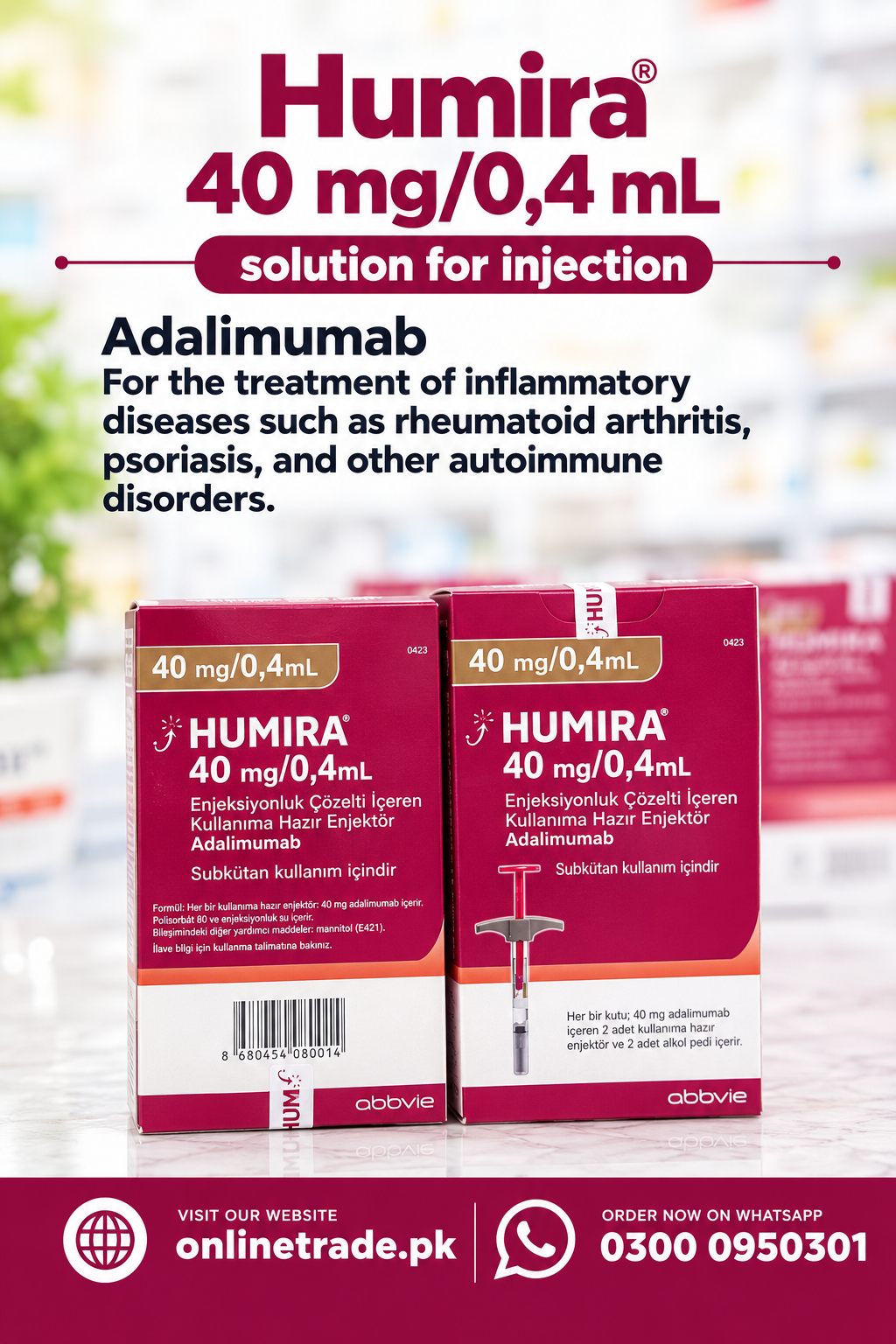
Humira® is the originator/reference adalimumab product, while CinnoRA is an adalimumab biologic product. The FDA's current Humira information confirms adalimumab 40 mg/0.8 mL as a subcutaneous presentation.
Whether a particular adalimumab product can be automatically substituted for another depends on local regulatory status and the pharmacist/doctor's instructions. Don't switch biologic products yourself.
17. CinnoRA in Pakistan
CinnoRA 40 mg/0.8 mL is documented in Pakistani procurement information under adalimumab injection 40 mg/0.8 mL, with CinnoRA listed as a pre-qualified brand/manufacturer CCL in that tender.
For regulatory verification, Pakistan's Drug Regulatory Authority of Pakistan (DRAP) provides a Registered Drugs Index and related verification services.
For an expensive biologic such as CinnoRA, check:
- Original sealed packaging
- Batch number
- Expiry date
- Manufacturer/importer information
- Proper cold-chain storage
- Pharmacy/source reliability
- Regulatory registration/verification where applicable
18. Pregnancy and breastfeeding
If you are pregnant, planning pregnancy, or breastfeeding, tell your doctor before using CinnoRA.
Adalimumab may sometimes be continued during pregnancy when the benefits outweigh the risks, particularly when controlling serious inflammatory disease is important. The decision is individualized.
Do not stop treatment solely because of pregnancy without discussing it with your specialist.
19. Children
Adalimumab is used for certain inflammatory diseases in children, but pediatric doses are weight-, age- and disease-dependent.
A child should not be given an adult 40 mg schedule simply because the adult formulation is available.
20. How quickly does it work?
The response varies according to the disease.
Some patients notice improvement within the first few weeks, while maximum benefit can take longer.
If there is no improvement, the doctor may reassess:
- Correct diagnosis
- Adherence
- Dose/interval
- Disease severity
- Antidrug antibodies
- Whether another treatment is more appropriate
21. Important warning for TB in Pakistan
Because TB is an important infectious disease in Pakistan, TB screening before starting adalimumab is especially important.
A person who develops persistent cough, fever, night sweats, unexplained weight loss or other concerning symptoms while taking CinnoRA should contact their doctor promptly.
Adalimumab's official prescribing information specifically requires evaluation for latent TB and continued monitoring for active TB.
22. Quick summary
| Item | CinnoRA |
|---|---|
| Generic | Adalimumab |
| Strength | 40 mg/0.8 mL |
| Type | Biologic medicine |
| Class | TNF-α inhibitor |
| Route | Subcutaneous injection |
| Prescription | Yes |
| Main uses | RA, PsA, AS/axSpA, psoriasis, Crohn's, UC, HS, JIA, uveitis |
| Typical adult regimen for several rheumatologic diseases | 40 mg every other week |
| TB screening | Very important before treatment |
| Storage | 2–8°C; do not freeze |
| Live vaccines | Generally avoid |
| Major warning | Serious infections and malignancy |
Bottom line
CinnoRA 40 mg/0.8 mL is a serious prescription biologic, not a routine injection or painkiller. It can be highly effective for inflammatory diseases, but treatment should be supervised by the appropriate specialist. The most important precautions are TB/infection screening, hepatitis-B assessment when appropriate, correct cold-chain storage, avoiding live vaccines, and monitoring for serious infection.
If you tell me which disease CinnoRA has been prescribed for (RA, psoriasis, Crohn's, ulcerative colitis, etc.) and the patient's age, I can give you the exact usual dose schedule, injection instructions, tests before treatment, expected results, and side effects for that specific condition.